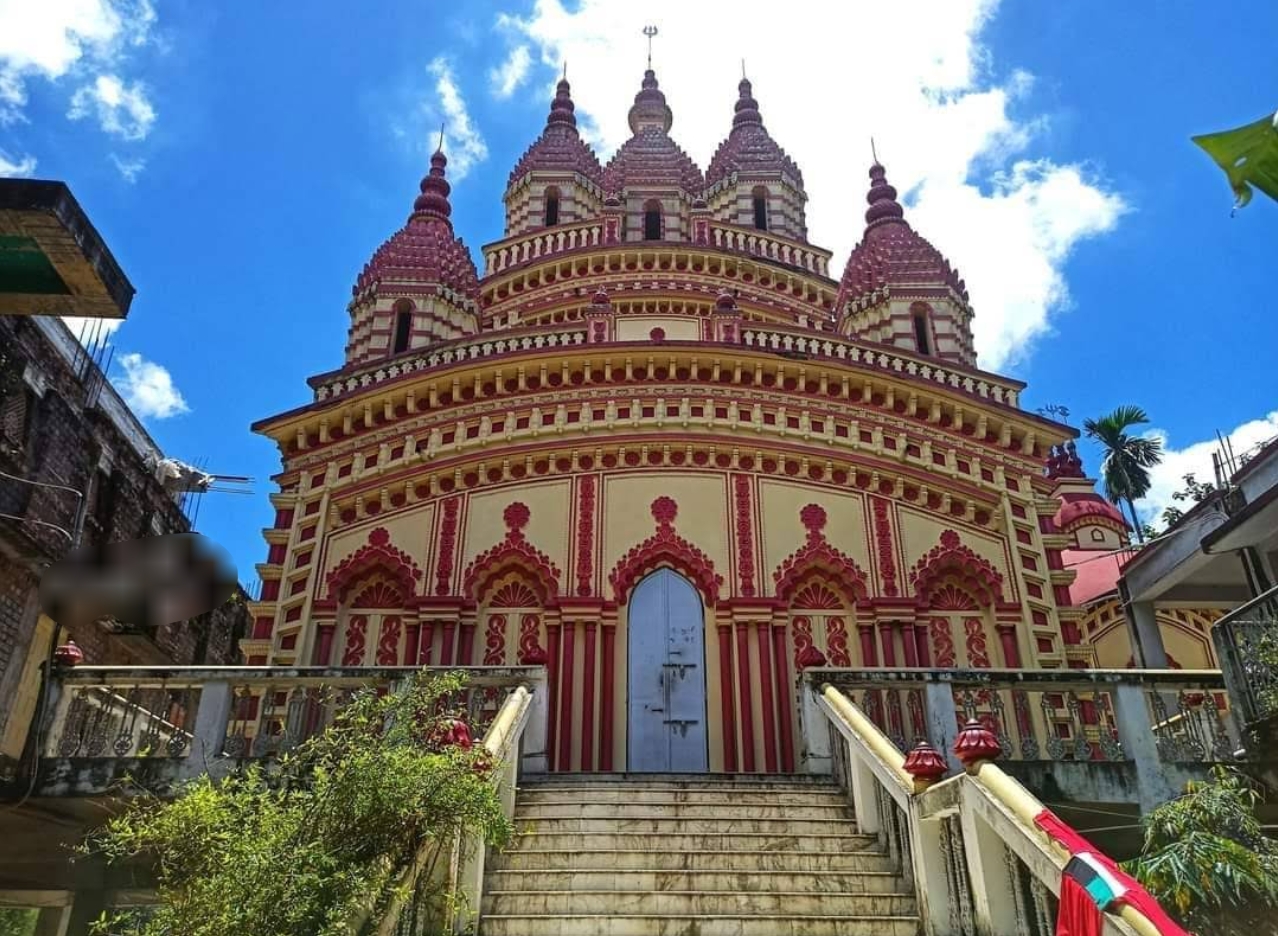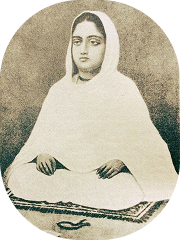
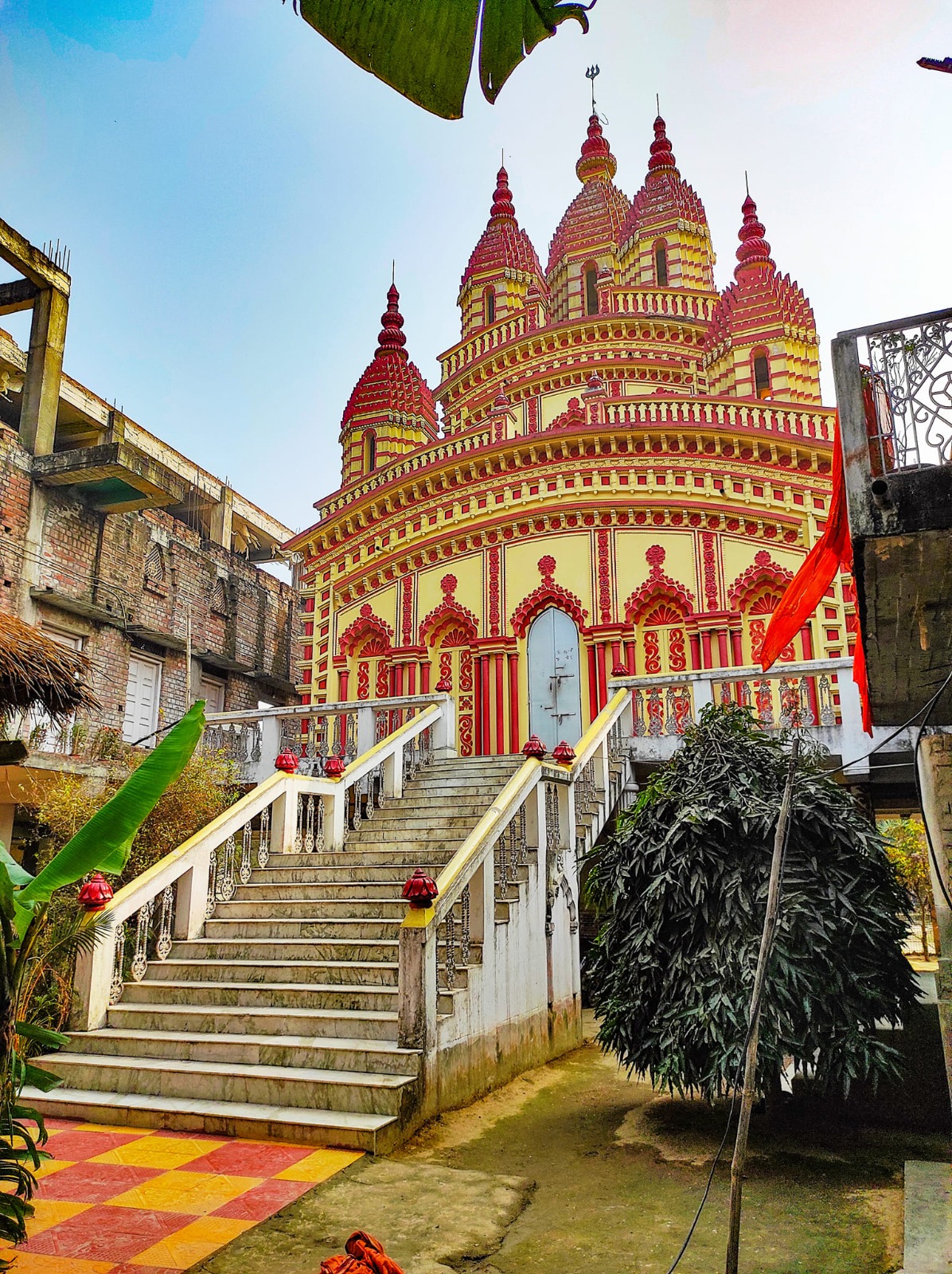
Rani Rashmoni Temple
The Rani Rashmoni Temple stands as a sacred center of devotion, faith, and service. Rooted in the spiritual legacy of Maa Rani Rashmoni, the temple welcomes devotees from all walks of life. It is a place where prayer, peace, and divine connection come together. Daily rituals and festivals are performed with deep reverence and tradition. The temple nurtures spiritual growth and inner harmony. Its serene surroundings offer solace to the soul and calm to the mind. The temple also serves as a hub of compassion through charitable and community service. It reflects the timeless values of dharma and selfless devotion. Here,
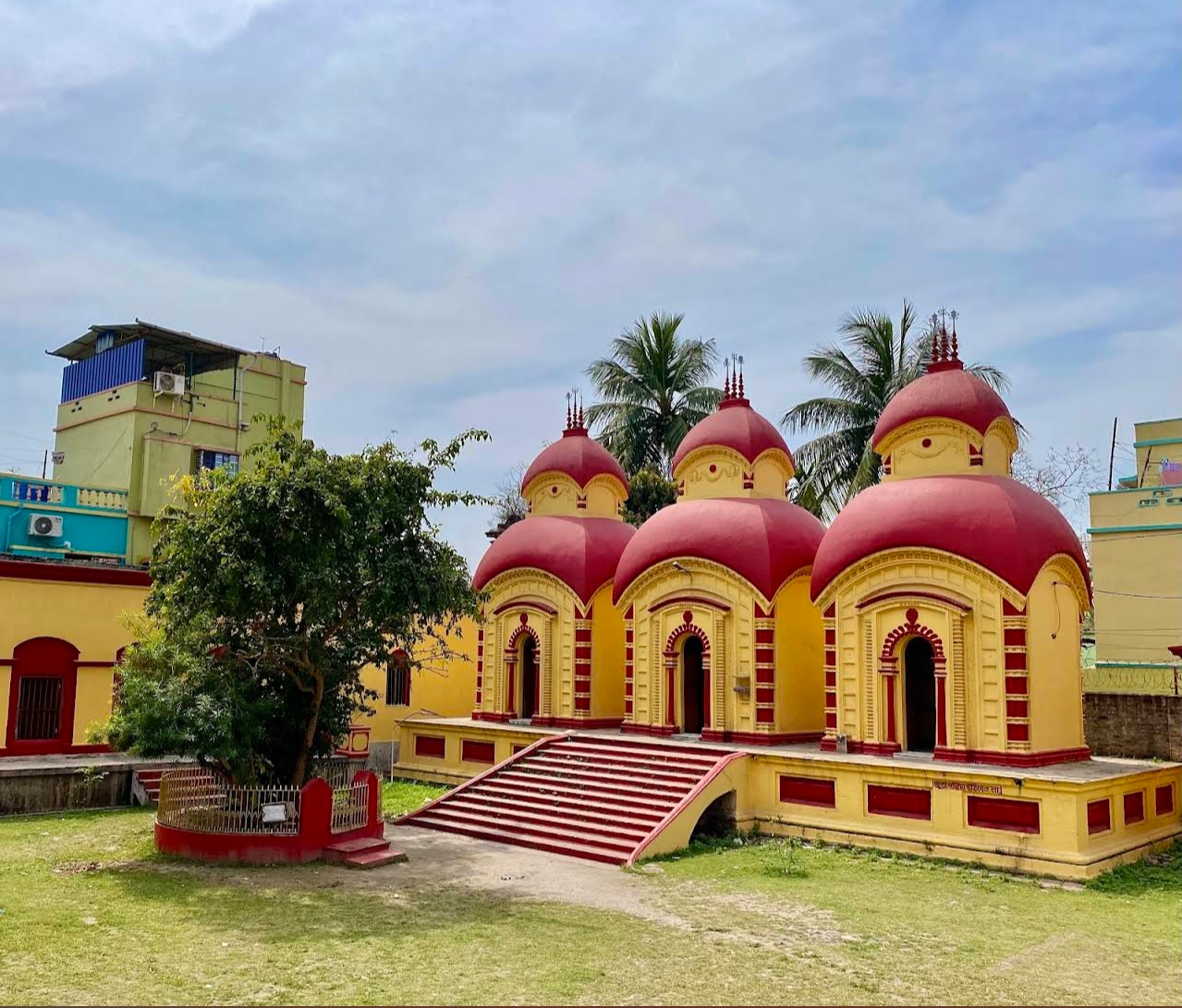
Rani Rashmoni Mandir, situated at Majherchar in Kalyani, Nadia district of West Bengal, stands near the sacred birthplace and bathing ghat of Lokmata Rani Rashmoni — one of Bengal’s most revered philanthropists and spiritual visionaries. Known widely as the founder of the Dakshineswar Kali Temple and a pioneering social reformer, Rani Rashmoni dedicated her life to religious devotion, public welfare, and upliftment of society. The Mandir and Sevashram complex today serve not only as a place of worship but as a vibrant center of heritage preservation and spiritual continuity.
The historical importance of this sacred site lies in its direct connection to the early life of Rani Rashmoni. The birth place and the adjacent ghat on the banks of the Bhagirathi hold immense cultural and devotional value. Over time, natural decay and neglect affected parts of the structure, but devoted followers and trustees initiated restoration efforts to revive and protect this historic landmark. With support and encouragement from local public representatives and civic bodies, renovation and preservation work gained momentum, reaffirming the temple’s importance as a site of pilgrimage and historical pride.
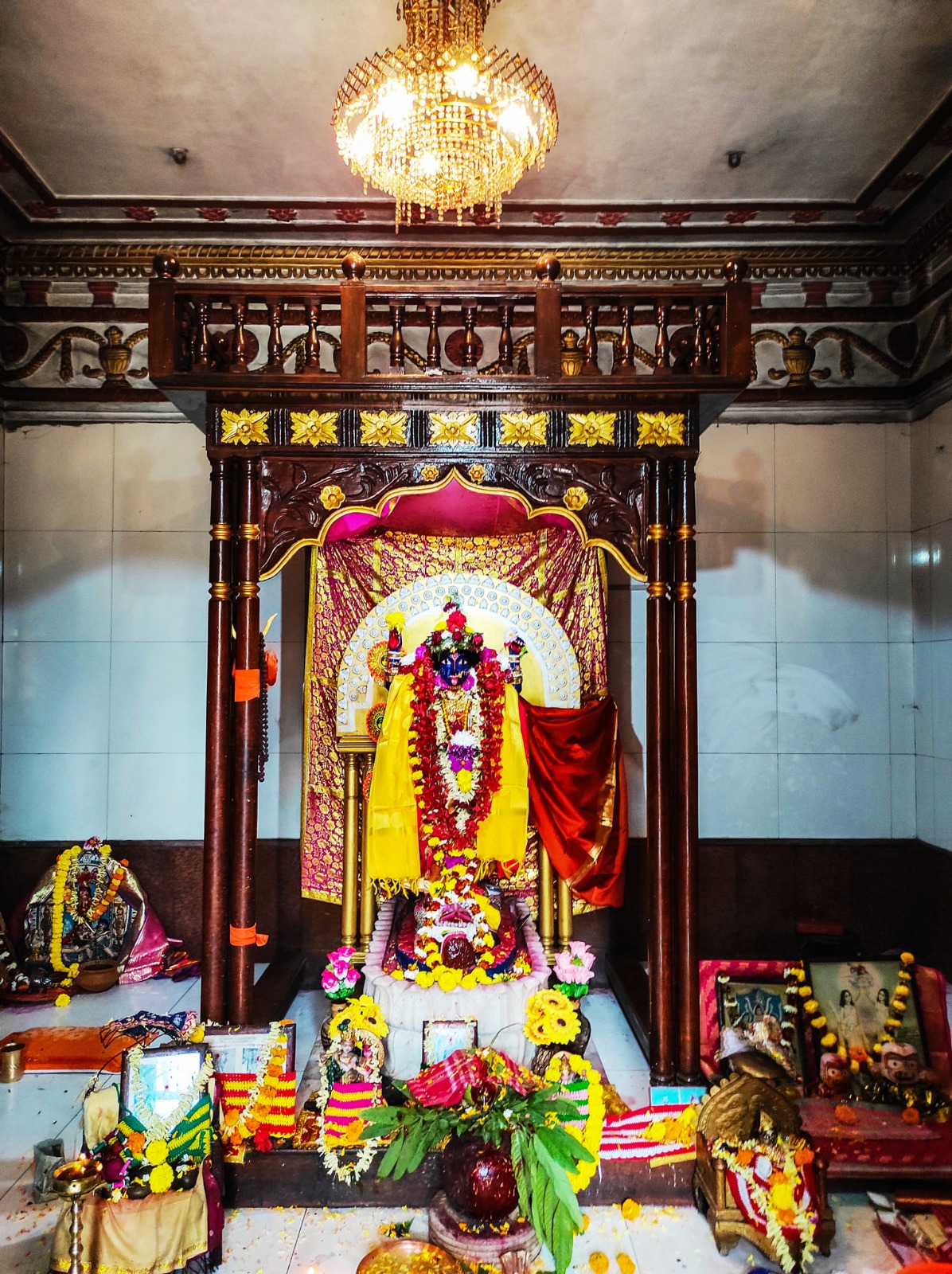
The Mandir is maintained by Jaganmata Ramkrishna Sevashram Sangha, a religious and charitable trust committed to safeguarding the spiritual legacy of Rani Rashmoni. The organization works not only toward temple maintenance but also toward cultural, religious, and social service activities. Through continuous efforts, the Sevashram has transformed the area into a well-organized spiritual complex that attracts thousands of devotees each year.
Architecturally, the Mandir reflects traditional Bengali temple aesthetics blended with modern restoration techniques. The sanctum is serene and spiritually uplifting, offering devotees a peaceful environment for prayer and meditation. The newly established Shri Ram–Sita Temple within the premises has further enhanced the devotional appeal of the complex. Clean surroundings, structured pathways, improved ghat access, and organized festival arrangements demonstrate the careful planning and dedication behind its development.
One of the most significant aspects of the Mandir’s present identity is its vibrant festival culture. Major religious observances such as the birth anniversary of Rani Rashmoni and the Kalpataru Utsav draw large gatherings of devotees. Kapotak Utsav and other annual celebrations include special pujas, Mangala Arati, devotional music, scriptural recitations, and cultural programs. Eminent monks, scholars, and artists participate in these events, creating an atmosphere of spiritual harmony and collective devotion.
The Mandir also functions as a symbol of unity and community engagement. Volunteers actively contribute to organizing events, maintaining cleanliness, managing pilgrim facilities, and supporting social initiatives. The involvement of public representatives and civic authorities in acknowledging and encouraging the restoration work highlights its broader cultural and historical recognition.
.jpeg)
In the present day, Rani Rashmoni Mandir is steadily emerging as an important pilgrimage destination in West Bengal. Its proximity to the Kalyani Kumbh Mela Ghat and its association with other sacred sites in the Nadia region enhance its spiritual significance. The Mandir stands as a living testimony to Rani Rashmoni’s ideals — devotion to the Divine, service to humanity, courage in leadership, and compassion for the marginalized.
From its humble historical roots to its renewed present form, the Mandir represents a bridge between past and present. It preserves the memory of a great woman whose contributions shaped Bengal’s religious and social landscape, while also serving as a dynamic center of worship and cultural activity. Today, Rani Rashmoni Mandir is not merely a temple structure; it is a sacred heritage site, a community institution, and a continuing inspiration for generations to come.