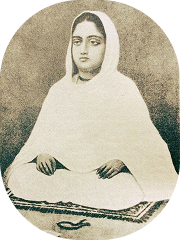
An appeal to restore the historic bathing ghat and childhood home of Rani Rashmoni as a sacred spiritual heritage.
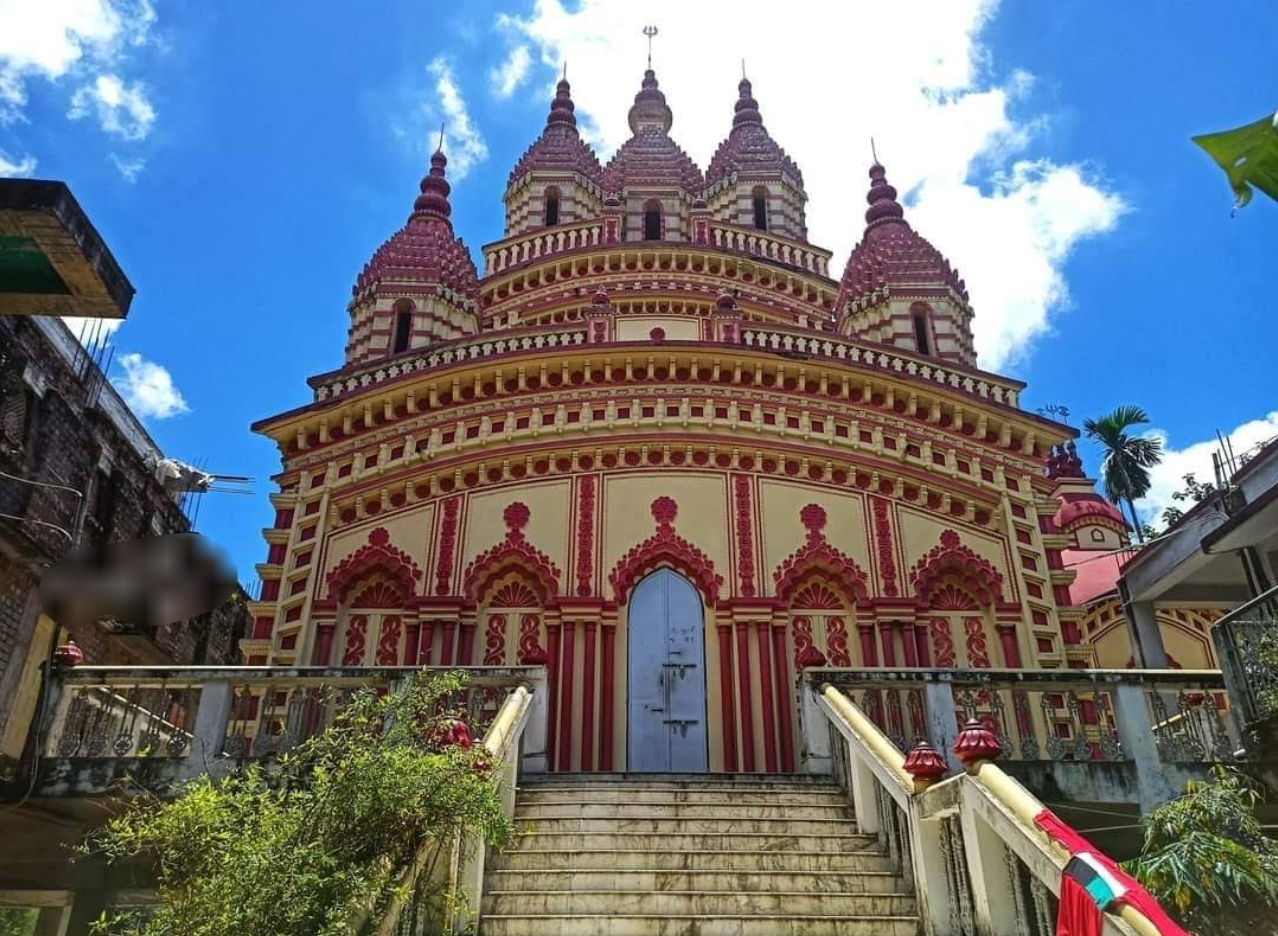
The spiritual and cultural heritage of Bengal is deeply enriched by the life and legacy of Rani Rashmoni, the founder of the world-renowned Dakshineswar Temple. Her contributions to society, religion, and humanity continue to inspire millions. Today, renewed efforts are being made to preserve one of the most sacred and historically significant places associated with her life — her bathing ghat and childhood home.
Jagannmata Ramkrishna Sevashram Sangha has undertaken a noble initiative to renovate, restore, and reconstruct these important heritage sites. Located in Charandabati, Kalyani, in the district of Nadia, the place holds immense historical and spiritual value. The serene environment beside the Ganges adds to its sanctity, drawing devotees and visitors throughout the year.
Every year during the Kalpataru festival, the Sevashram Sangha organizes religious gatherings, devotional singing, spiritual meetings, and cultural programs. Free meals, known as ‘Prasad,’ are distributed to countless devotees throughout the day. The celebration transforms the area into a vibrant pilgrimage center, attracting people from different parts of Bengal and beyond.
Historical accounts reveal that Rani Rashmoni once intended to build the great Bhavatarini Temple in memory of her parents. Though she faced opposition and challenges, her determination and spiritual strength led her to establish the iconic Dakshineswar Temple. Known for her courage, she stood firm even during confrontations with British authorities, demonstrating remarkable bravery and leadership.
Despite its historical importance, the birthplace and bathing ghat of Rani Rashmoni have not yet received the full restoration and archaeological recognition they deserve. While local municipalities have extended logistical support, proper restoration and preservation require financial assistance and governmental intervention.
Preserving this heritage site is not merely about restoring old structures; it is about honoring the memory of a visionary woman who shaped Bengal’s spiritual landscape. Protecting these sacred landmarks will ensure that future generations continue to learn from and be inspired by her life.
The restoration of Rani Rashmoni’s childhood home and bathing ghat stands as a collective responsibility — a tribute to her enduring legacy and a step toward safeguarding India’s spiritual history.